Elizabeth I halfgroat
It’s an Elizabeth I halfgroat, examples of which turn up very regularly as detecting finds.
Read More
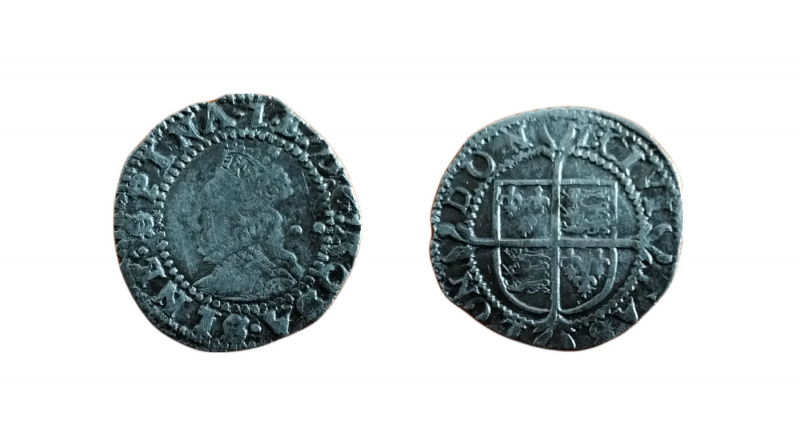
It’s an Elizabeth I halfgroat, examples of which turn up very regularly as detecting finds.
Read More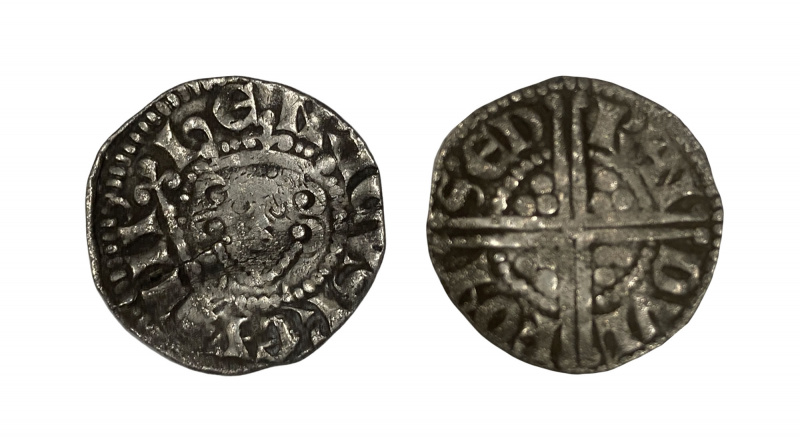
n. The coin is a voided long cross penny of Henry III, which isn’t rare.
Read More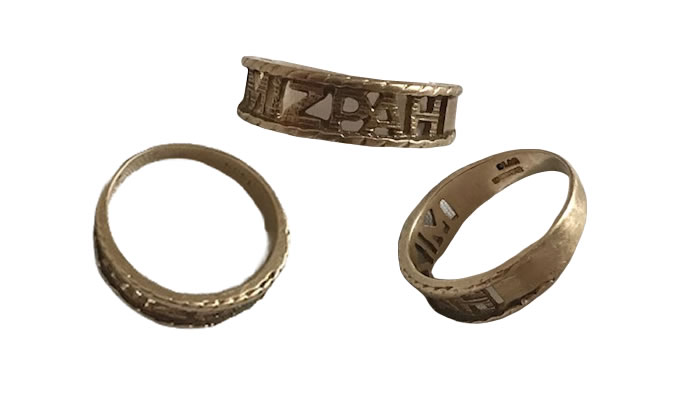
Martin’s find is a 9 carat gold finger ring.
Read More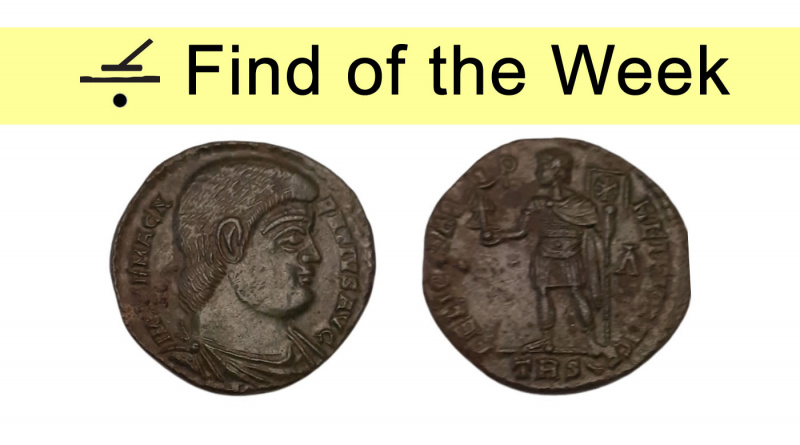
The coin is a heavy maiorina of Magnentius, whose dates are AD 350 to 353
Read More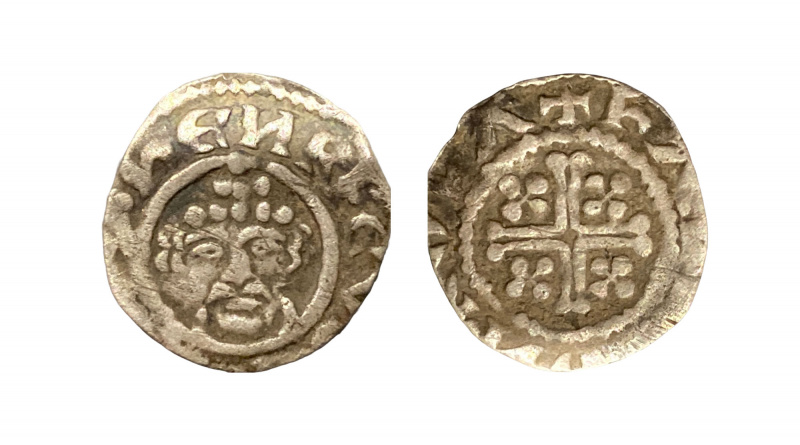
I’ve had quite a number of voided short cross pennies on this website and here is another. This was sent
Read More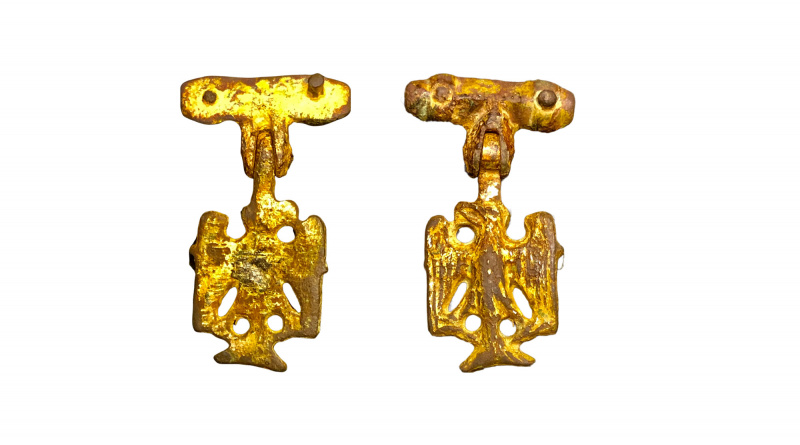
John’s find falls into the generic category of harness pendants
Read More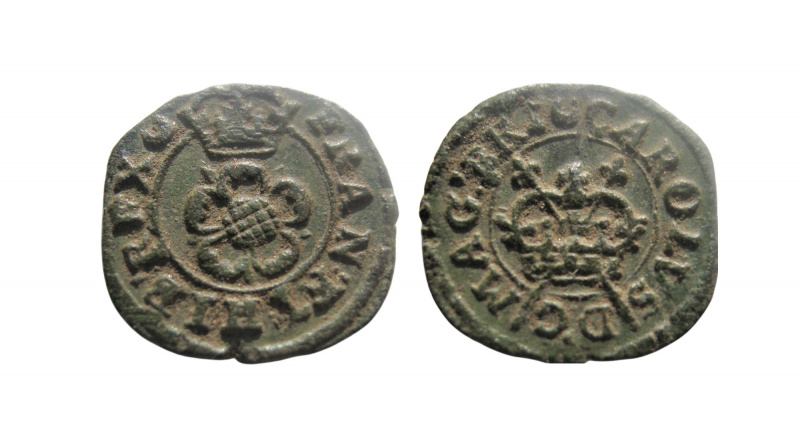
Colin Barton said he unearthed this coin on 9 November. It’s a Charles I farthing and almost all of these
Read More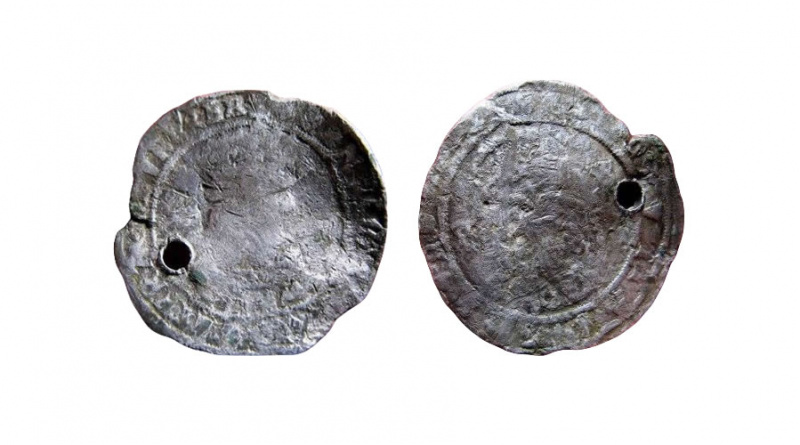
This coin was sent in by Christopher Phillis, who wanted confirmation of his ID
Read More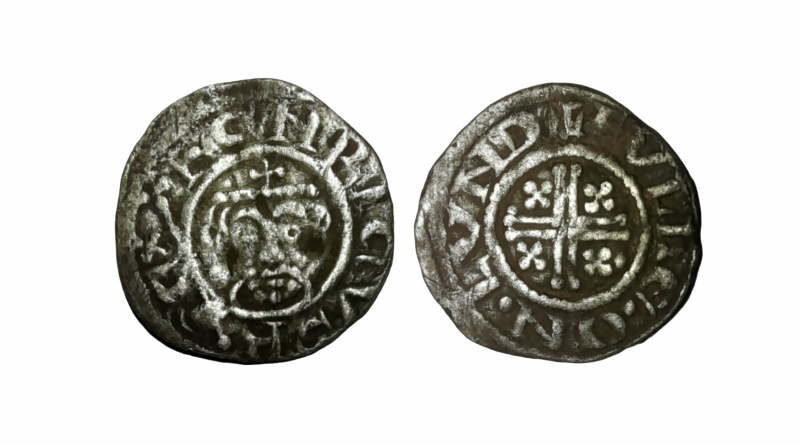
It’s a decent looking voided short cross penny, which is in better condition than most examples I see.
Read More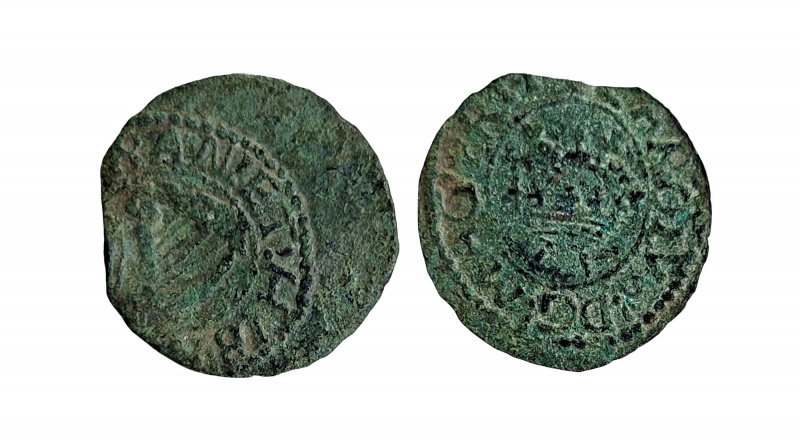
Anthony Hopkinson is the finder of this copper farthing of Charles I. It’s a rough looking coin but it is
Read More